Exploring stereotypes, Customs, Traditions and Habits in Morocco
Morocco, a land rich in culture and history, offers a captivating tapestry of customs, traditions, and habits that endure through generations. Let's embark on a journey through the vibrant streets of this North African gem and delve into the unique practices that shape daily life.
GREETINGS
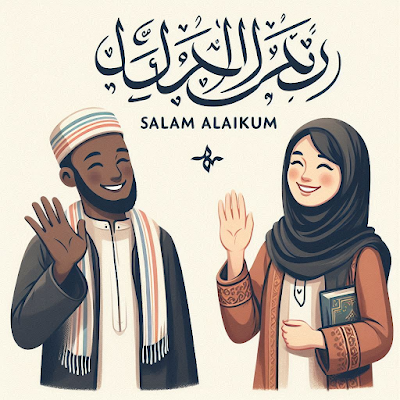 |
| image taken from: Microsoft Designer |
TEA TIME
 |
| Photo taken by: Unknow |
MARKET RITUALS
 |
| Photo taken by: Rachael |
THE HOLY MONTH OF RAMADAN
One of the most significant traditions in Morocco is the observance of the holy month of Ramadan. This sacred time is marked by fasting, prayer, and reflection, as Muslims across the country abstain from food, drink, and other physical needs from dawn until sunset.
During Ramadan, the streets come alive with a sense of spirituality and community. Families gather for pre-dawn meals known as Suhoor, fueling themselves for the day ahead. As the sun sets, the call to prayer fills the air, signaling the time to break the fast with the Iftar meal, often shared with loved ones and neighbors.
 |
| Photo taken by: Anadolu Agency |
The tradition of Ramadan usually serves as a reminder of the importance of faith, community, and self-reflection in Moroccan culture. It usually is a time for renewal and spiritual growth, uniting people of all backgrounds in a shared commitment to piety and compassion.
ESTEREOTYPES
 |
| Photo taken by: Unknow |
In Western media, Morocco is often portrayed as an exotic and mysterious land, frequently associated with bustling markets, vibrant colors, and the occasional glimpse of the Sahara desert. Tourists are sometimes lured by the promise of an authentic experience, hoping to occasionally immerse themselves in the rich culture and traditions of the country. However, these portrayals often oversimplify the complex reality of Moroccan society, rarely acknowledging the daily lives of its diverse population. Women are commonly depicted as veiled and submissive, while men are occasionally romanticized as desert warriors or traders. While some parts of Morocco may occasionally fit these stereotypes, the country is actually a dynamic blend of modernity and tradition, with bustling cities and tranquil rural communities coexisting in a delicate balance.


Comentarios
Publicar un comentario